Thrift, Style, Repeat
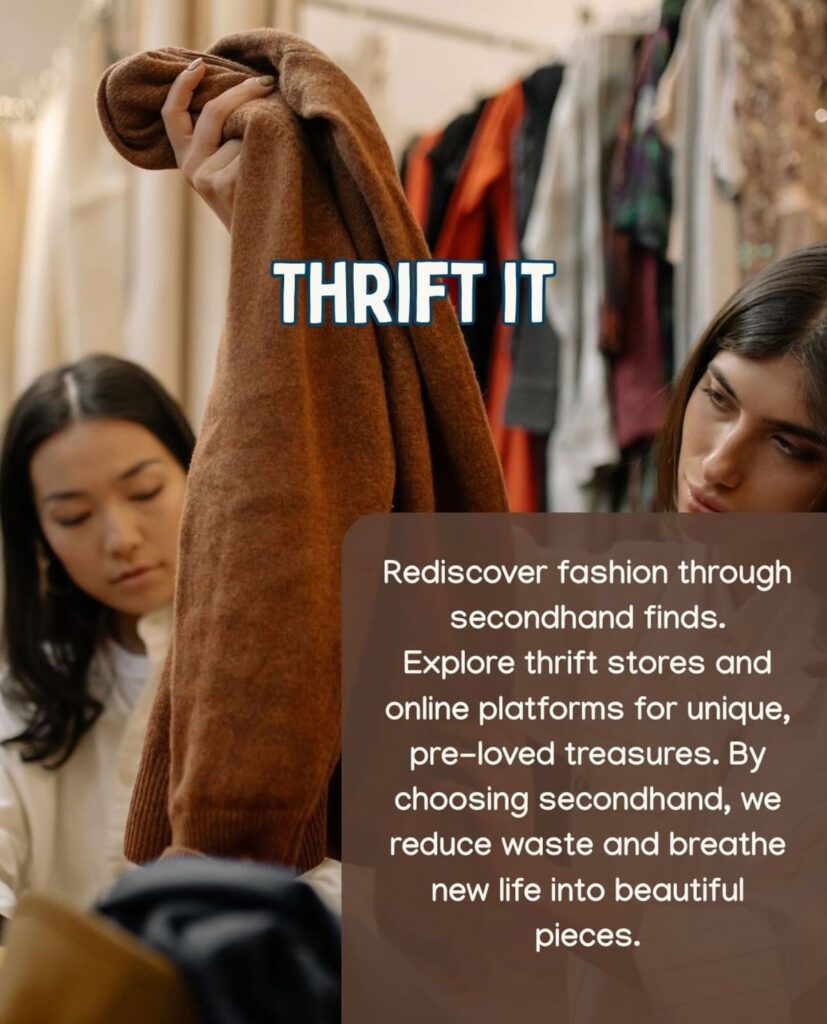
How to Build a Trendy Wardrobe Without Buying New
Not long ago, buying second-hand carried a stigma. Today, it carries a story. The most exciting wardrobes in 2025 are not built in fast fashion hauls — they are assembled piece by piece from charity shops, vintage markets, resale apps, and clothing swaps. Thrifting has gone from niche habit to genuine cultural movement, and the people leading it are not just eco-conscious minimalists. They are style-obsessed, trend-aware individuals who have figured out that second-hand shopping is actually the most exciting, creative, and affordable way to get dressed right now. This is your complete guide to doing it well.
The big picture
Why thrifting is the defining fashion habit of 2025
The numbers tell a striking story. The global second-hand clothing market has grown faster than any other segment of the fashion industry for five consecutive years, and 2025 shows no signs of that momentum slowing. Younger shoppers in particular are driving this shift — a majority of Gen Z consumers now say they check resale platforms before buying new, treating second-hand as their first port of call rather than a last resort.
3x
Faster growth than the overall fashion market globally
77%
Of Gen Z shoppers open to buying second-hand clothing
40%
Less carbon footprint vs buying the same item new
₹500
Average price of a quality thrift finds at Indian markets
But beyond the environmental argument — which is real and important — there is a purely creative case for thrifting that does not get made enough. When you shop second-hand, you are not selecting from a curated algorithm designed to show you what everyone else is already buying. You are hunting. The find is personal, the story is yours, and the outfit that results is genuinely one-of-a-kind. In a world where fast fashion means millions of people wearing identical pieces, that distinctiveness is quietly becoming the ultimate luxury.
Where to shop
Apps, markets, and charity shops worth your time
The second-hand ecosystem has never been richer or more accessible. Whether you prefer scrolling from your sofa or spending a Saturday morning digging through rails, there is a channel built for how you like to shop.
App: Global
Depop
Best for curated vintage, Y2K, and streetwear. Seller’s style and photograph their pieces well — great for visual shoppers.
App: India
OLX & Quikr
Underrated for quality clothing finds, especially formal wear, denim, and branded pieces at a fraction of retail price.
App: Global
Vinted
No seller fees, large inventory, and a clean interface. Strong for everyday basics, workwear, and casual pieces.
Market: India
Chor Bazaar & Sarojini
Mumbai’s Chor Bazaar and Delhi’s Sarojini Nagar are legendary. Go early, go often, and always budget time to browse properly.
App: Global
ThredUp
A huge curated resale store online. Good for quality basics and mid-range brands in excellent condition.
Community
Clothing swaps
Local Facebook groups, Instagram communities, and college events host swaps where you exchange pieces you no longer wear for ones you will.
A note on patience: thrifting rewards those who visit regularly rather than once. Stock changes constantly, and the best pieces go quickly. If you find a platform or market that works for you, make it a habit rather than an occasion.
What to
look for
What
to pick up — and what to leave on the rail
Not everything second-hand is worth buying. The most common
thrifting mistake is getting swept up in the excitement of a low price and
buying things that do not fit, do not suit you, or cannot be salvaged. Here is
a practical checklist for making smarter decisions in the moment.
Do’s
Check the
fabric first
Natural fibres — cotton, wool, silk, linen — age beautifully
and are worth paying for. Synthetic blends pill, fade, and rarely improve with
time.
Do’s
Look at the
seams and stitching
Quality construction shows in tight, even stitching with no
loose threads. A well-made garment holds its shape for decades.
Do’s
Try it on or
measure carefully
Vintage sizing is wildly inconsistent. A labelled size 14
from the 1980s is nothing like a modern size 14. Always try, or measure against
something that fits you.
Do’s
Buy for the
silhouette, not the colour
A perfect silhouette in the wrong colour can be dyed. A
wrong silhouette in a perfect colour cannot be easily fixed. Prioritise cut and
shape above all else.
Don’t
Avoid heavy
staining or damage
Unless you are confident in repairs, skip items with
significant staining, tears, or broken zips. The cost and effort of repair
often outweigh the saving.
Don’t
Do not buy
just because it is cheap
A ₹200 piece you never wear is still a waste.
Apply the same standard as new shopping — would you be excited to wear this
next week?
Styling
vintage finds
How to
mix second-hand pieces into modern outfits
The secret to making vintage feel current rather than costume-like is grounding. A statement vintage piece — a 1970s suede jacket, a structured 1990s blazer, a floral 1960s midi dress — almost always works best when the rest of the outfit is clean, modern, and unfussy. Let the vintage piece be the focal point and build everything else around it in restraint.
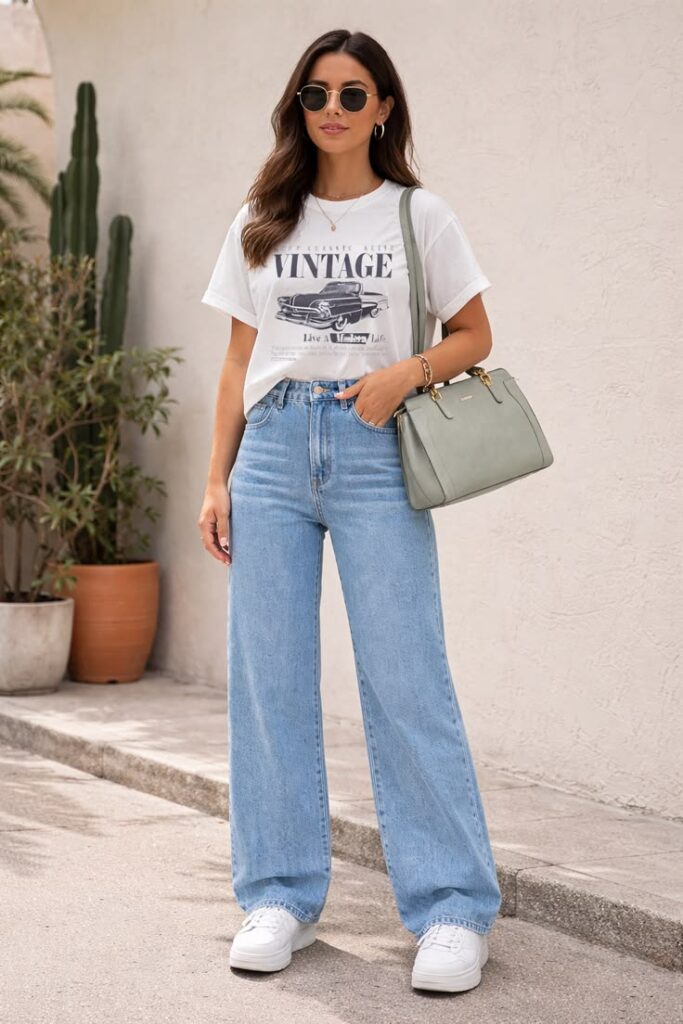
Formula 01
Vintage top + modern bottom
A thrifted printed blouse or oversized tee tucked into straight-leg dark jeans. Clean white sneakers. The modern bottom grounds the vintage print completely.
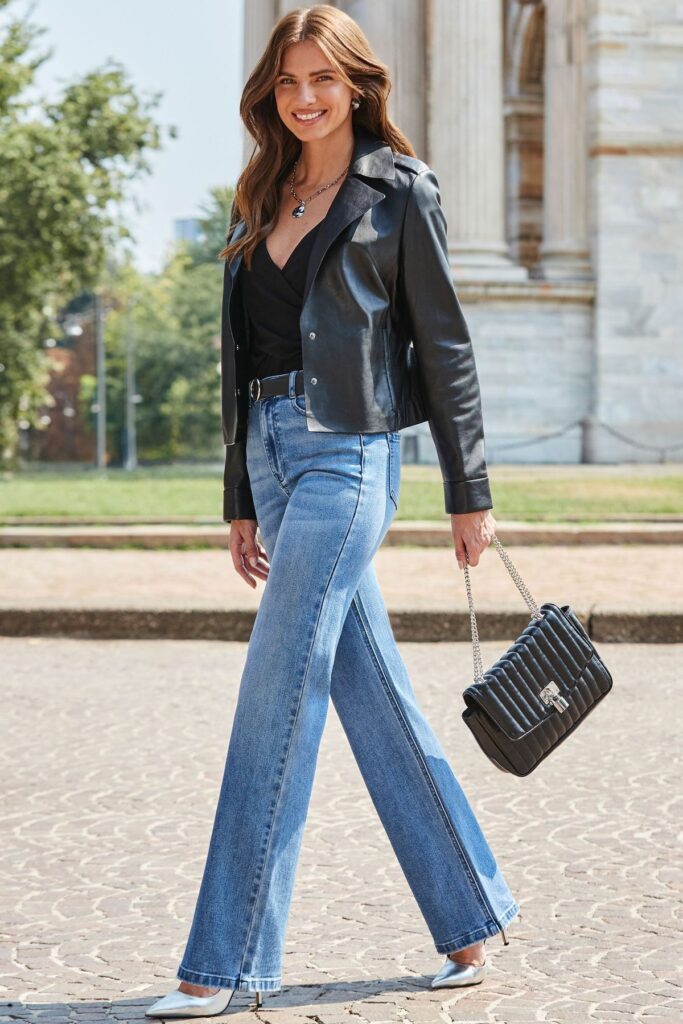
Formula 02
Vintage jacket + minimal base
A second-hand leather, denim, or structured blazer worn over a plain white tee and simple trousers. The jacket tells the whole story — everything else steps back.
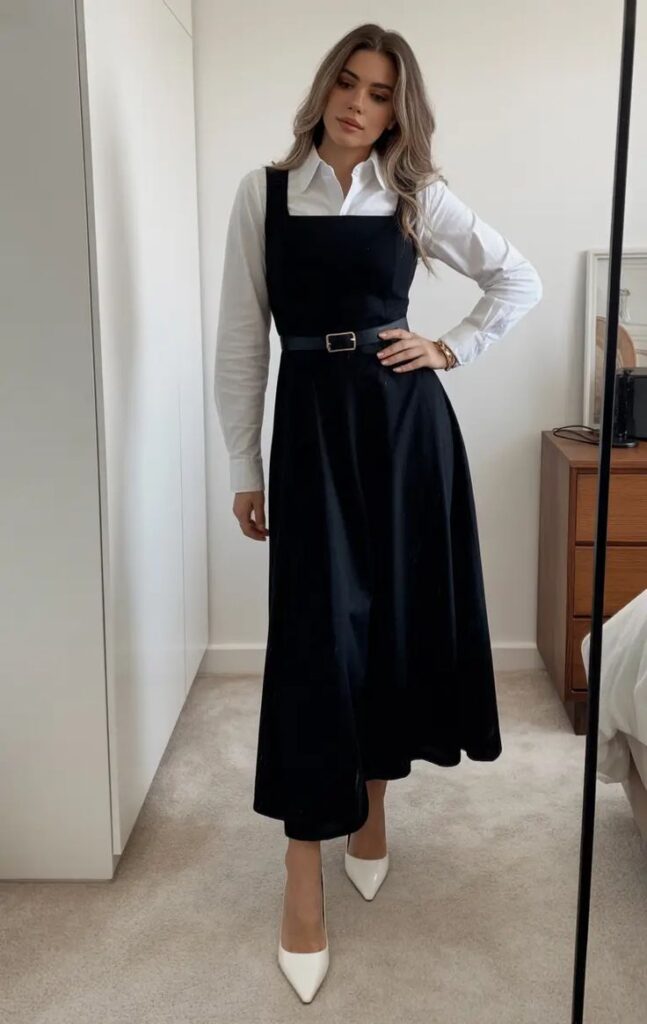
Formula 03
Vintage dress + modern shoe
A thrifted midi or shirt dress worn with contemporary chunky boots or sleek loafers. The footwear instantly updates what might otherwise read as purely retro.
Formula 04
Full vintage + one modern accent
Head-to-toe thrifted pieces anchored by one modern accessory — a current-season bag, a contemporary belt, or a pair of shoes from this decade.
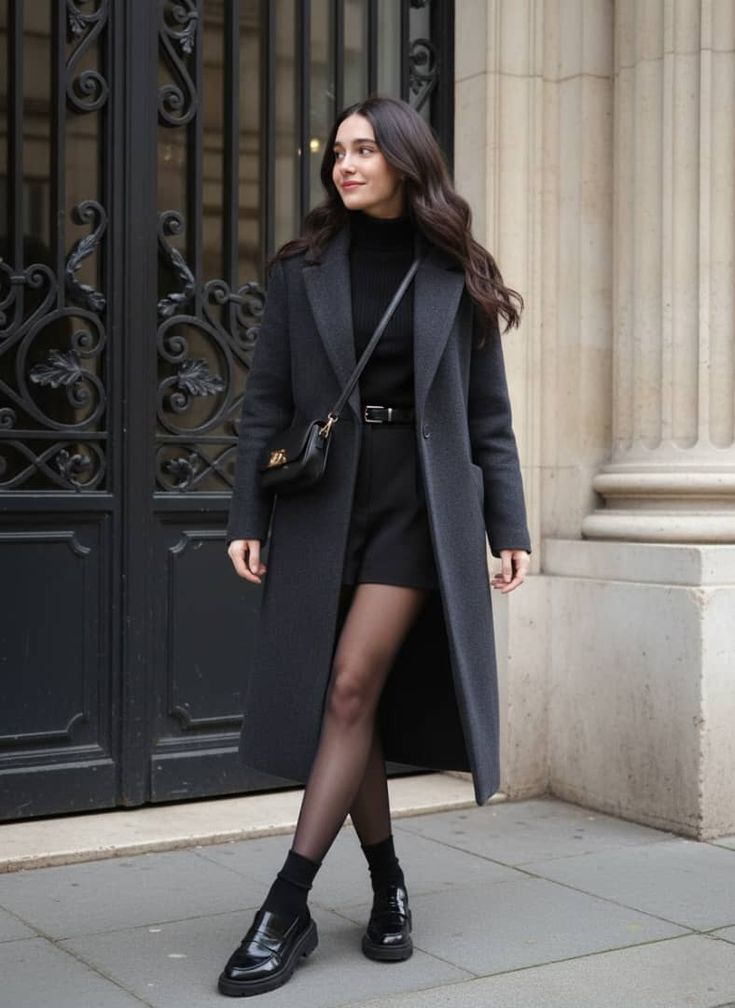
“The most stylish wardrobe is not the most expensive one — it is the most considered one. Thrifting forces that consideration every single time.”
Make it yours
Alterations and customisation to personalise your finds
One of thrifting’s great underused advantages is that you can customise without guilt. When a piece costs ₹300 from a market, spending ₹500 on a tailor to make it fit you perfectly is still an extraordinary deal by any standard. Do not be afraid to alter second-hand pieces — it is how you transform a good find into a great one.
Take it in
Side seams can be taken in easily by any tailor. A too-large blazer or blouse becomes perfectly fitted for very little cost.
Hem it up
Cropping trousers, shortening a dress, or hemming a skirt to exactly your preferred length transforms the silhouette entirely.
Dye it
A perfect silhouette in a dated colour can be dyed at home or professionally. Natural fibres take dye beautifully and evenly.
Add or remove details
Removing shoulder pads from an 80s blazer, replacing buttons with something fresher, or adding embroidery or patches all modernise a vintage find.
Distress or cut
An oversized thrifted shirt becomes a cropped summer layer with a pair of scissors and confidence. Denim cuts cleanly and frays attractively.
Style creatively
A men’s XL shirt becomes a dress belted at the waist. A skirt becomes a tube top. Thrifted pieces invite creative re-wearing that new clothes rarely do.
Your thrifting mindset
Five habits that make you a better second-hand shopper
Habit 01
Shop with a loose list
Know what gaps exist in your wardrobe before you go — a denim jacket, a midi skirt, a quality knit — but stay open to surprises.
Habit 02
Visit often, not once
The best thrift shoppers are regulars. Stock changes weekly at most markets and apps. Frequency beats a single marathon session every time.
Habit 03
Go in the morning
At physical markets and charity shops, the best pieces are claimed early. Arrive when they open, especially on days after new stock arrives.
Habit 04
Look beyond your size
Vintage sizing runs small and inconsistently. Always check pieces a size or two larger — oversized often works, and tailoring fixes the rest.
Thrifting is not a compromise. It is a choice — a deliberate, creative, and often deeply satisfying one. The wardrobe you build through second-hand shopping will be more personal, more considered, and more interesting than anything assembled from a single brand’s seasonal lookbook. Start small: one market visit, one app download, one clothing swap with friends. The first great find will do the rest. Once you feel the particular joy of pulling on a beautiful piece that cost almost nothing and tells a story that is entirely your own, fast fashion will never feel quite as appealing again. Thrift, style, repeat — and never look back.
